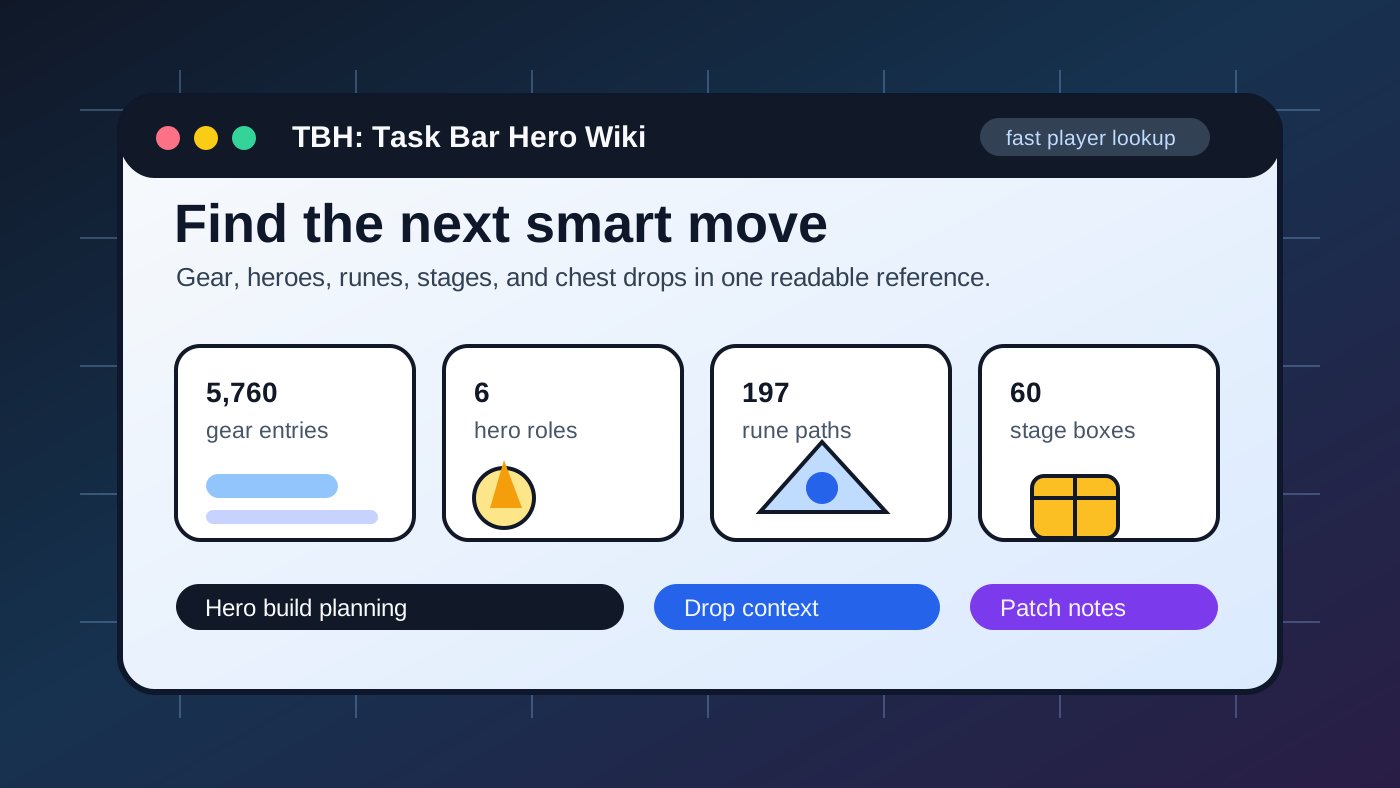
Some games are easy to start and surprisingly hard to research. TBH: Task Bar Hero is one of those games. The moment you begin thinking beyond the next stage, every small decision starts pointing toward another question: which hero role fits this run, which gear slot is worth upgrading first, which rune path pays off fastest, and which chest source actually matches the item you are chasing?
That is where the Taskbar Hero Wiki becomes useful. It is a fan-made database built for players who want structured answers without digging through raw data, scattered posts, or half-remembered Discord advice. The best thing about it is not that it has a lot of information. The best thing is that the information is organized around actual player decisions.
Why this wiki fits the way TBH is played
TBH is not only about clearing the next encounter. It is about building a character plan that can keep scaling. A small stat difference on a weapon, a support skill that changes survivability, or a rune upgrade that looks modest on paper can affect the rhythm of a whole run. When you are comparing options quickly, a clean reference saves more than time. It saves momentum.
The wiki groups its core references by intent: progression, farming, buildcraft, and completion. That sounds simple, but it matters. A player who is planning a hero build does not need the same starting point as a player checking chest odds. A player pushing late stages does not browse data the same way as someone learning early gear. Good game resources reduce the distance between a question and an answer.
From build idea to gear target
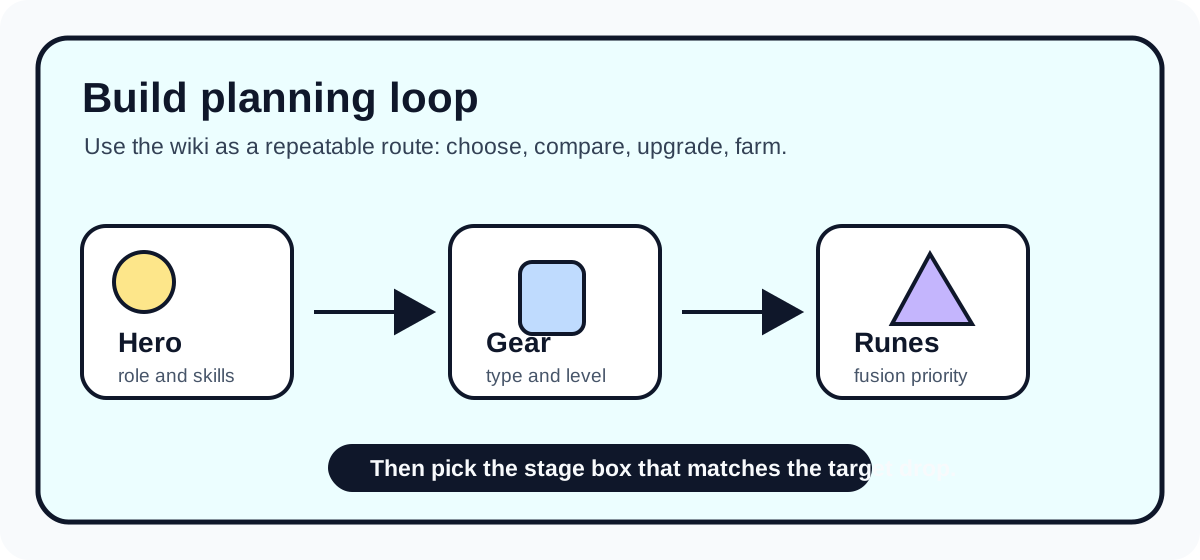
Gear is often where theory turns into a real plan. It is easy to say, "I want more damage" or "I need safer progression." It is harder to know which equipment type, level range, grade, hero class, and affix pattern deserve attention. The Taskbar Hero gear database is valuable because it lets you compare weapons, armor, accessories, grades, hero filters, and level brackets in one place. Instead of treating every drop as isolated loot, you can read it as part of a progression route.
That is especially helpful for returning players. If you have been away from the game for a few updates, your memory of what is "good enough" may be stale. A quick lookup can show whether you are chasing the right class of upgrade or wasting energy on a slot that is not holding the build back. For new players, the same page works like a map. It teaches the vocabulary of the item system while still being practical enough to use during play.
Chest drops without superstition
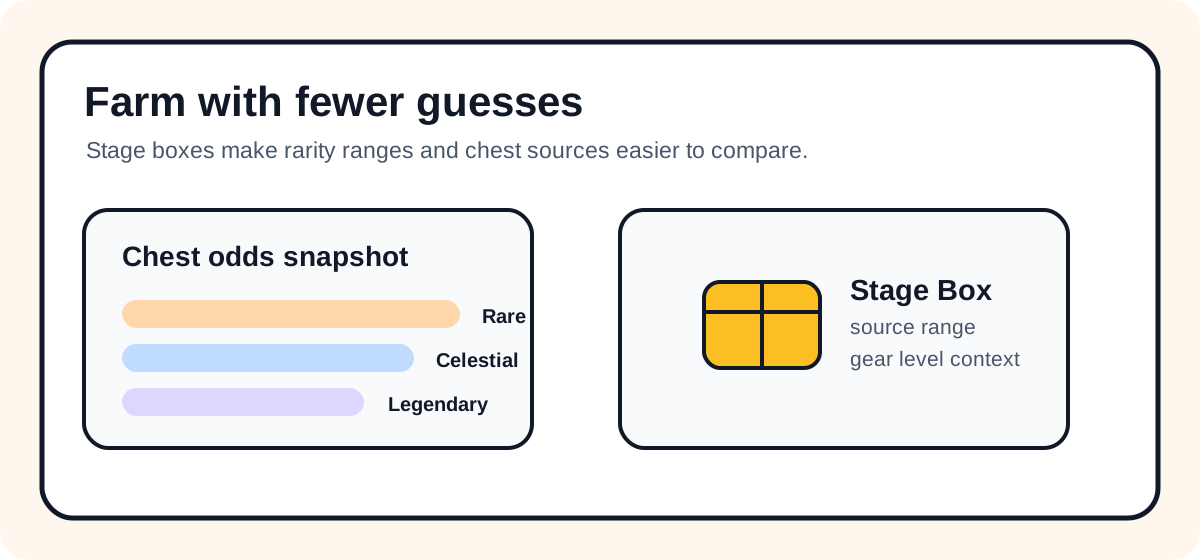
Farming can turn into guesswork when players rely only on anecdotes. One person remembers a lucky drop, another swears by a stage, and soon the conversation becomes more folklore than planning. A better approach is to check the chest source, stage range, rarity context, and item level before committing time. The Taskbar Hero boxes loot table and drop rates page gives that decision a firmer base.
Of course, drop tables do not promise outcomes. Independent rolls are still independent rolls, and a low-odds item can remain stubborn for a long time. But even when luck is not on your side, the right table helps you avoid the worst mistake: farming a source that does not fit your target. In a game with long progression arcs, avoiding bad loops is a real advantage.
A simple workflow for everyday use
The easiest way to use the wiki is to keep it open beside the game and treat it like a decision checklist. Before changing a build, start with the hero page and confirm the role you are actually optimizing for. Then compare the gear slot that seems weakest. After that, check rune priorities and make sure the next upgrade supports the same plan. Finally, look at stage boxes so your farming route matches the item or material you need.
- For beginners: use it to understand hero roles, early gear names, and basic progression vocabulary.
- For mid-game players: use it to compare upgrades before spending time or resources on a side path.
- For completion-focused players: use it to track pets, grades, achievements, and late-game farming context.
What makes it bookmark-worthy
A lot of game resources become useful only after you already know exactly what to search for. This one is more approachable because the home page itself points players toward common tasks: finding farming targets, planning hero builds, comparing gear, and checking chest odds. That makes it a good bookmark even if you are not deep into optimization yet.
It also supports multiple languages, which matters for a game community that does not live in one region or one chat server. When a reference is easier to share, it becomes easier for players to discuss builds with the same baseline. Instead of arguing from memory, you can point to the same entry, compare the same numbers, and decide what to test next.
Final take
Task Bar Hero rewards players who turn small decisions into a coherent plan. The wiki helps with exactly that. It will not make every drop land, and it will not play the build for you, but it makes the planning phase cleaner. If you are trying to progress faster, farm with fewer false starts, or simply understand what your next upgrade should be, this is the kind of reference that earns a permanent browser tab.